
Disengageable Shaft Couplings
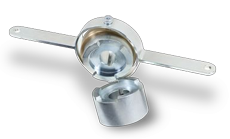
Disengageable shaft couplings from Dayton Superior Products are for machinery that requires controlled starts, intermittent stops, and frequent changes in rotation. These couplings use a rugged mechanical design that has been field-proven across countless industrial environments. They give operators the ability to connect or disconnect a secondary in-line shaft on demand, which supports maintenance, line adjustments, tooling changes, and controlled sequencing within drive systems. As a long-standing disengageable shaft couplings manufacturer, Dayton Superior Products builds these assemblies with the reliability and repeatability needed in machinery that runs daily production schedules.
Need different torque capacities, shaft interfaces, or mechanical behaviors? Explore our complete portfolio of rigid, split, and specialty shaft couplings.Need other styles? See our Shaft Couplings options.
Notes:
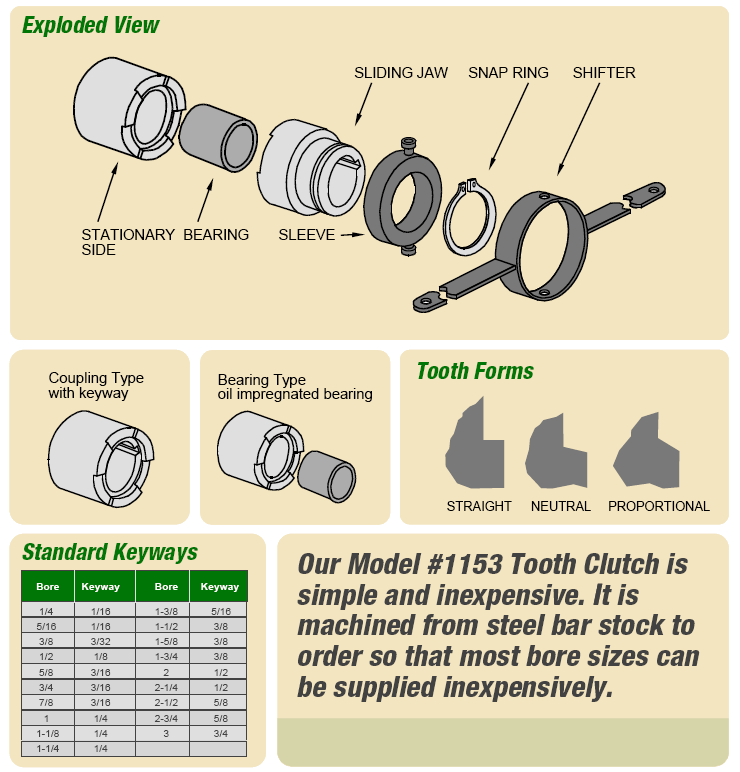
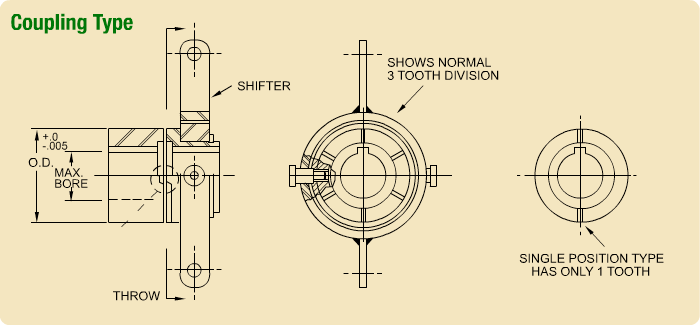
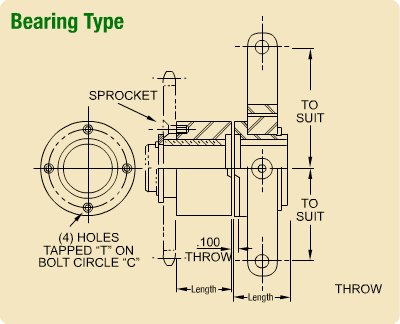
Coupling (C) Type has internal keyway. Bearing (B) Type has oil impregnated bearing. Shifter assembly can be mounted on either type clutch for a small additional charge. Stationary side length can be increased as needed. Standard clutch has 3 teeth spaced 60º apart.
P/N EXAMPLES
Size: 1153-1.5
Type: C
No. Teeth: 3
Tooth Form: S
Bore Size: 3/4B
SHIFTER ARM
1153-1.5 x 6 x 6
Upper Exstension (Actuating) 6
Lower Exstention (Pivot) 6
For Shifter with holes 6 & 6 from C shaft
Product Details(*13.5 Mb download)
| Size | Outside Diameter | Std. Bore Shaft Diameter | Max. Bore Shaft Diameter | Std. No. of Teeth | Tooth Depth | Tooth Width | Clutch Length Open | Sifter or Stationary Length | Std. Throw | T Tapped Holes (Stationary Side) | C Diameter Bolt Circle (Stationary Side) | Actuating Arm Bolt Hole Size |
|---|---|---|---|---|---|---|---|---|---|---|---|---|
| 1 | 1.000 | 1/2 | 1/2 | 3 | .080 | .125 | 1.350 | .625 | .100 | #4 | .880 | .281 |
| 1.5 | 1.500 | 3/4 | 3/4 | 3 | .080 | .175 | 1.850 | .875 | .100 | #6 | 1.220 | .281 |
| 2 | 2.000 | 1 | 1 | 3 | .080 | .250 | 2.600 | 1.250 | .100 | #8 | 1.690 | .281 |
| 3 | 3.000 | 1-1/2 | 1-1/2 | 3 | .180 | .375 | 3.600 | 1.750 | .100 | #10 | 2.540 | .406 |
| 4 | 4.000 | 2 | 2-1/4 | 3 | .200 | .438 | 5.250 | 2.500 | .250 | 1/4 | 3.500 | .406 |
| 6 | 6.000 | 3 | 3-1/2 | 3 | .200 | .625 | 7.250 | 3.500 | .250 | 3/8 | 5.250 | .656 |
| Size | Outside Diameter | Std. Bore Shaft Diameter | Max. Bore Shaft Diameter | Std. No. of Teeth | Tooth Depth | Tooth Width | Clutch Length Open | Sifter or Stationary Length | Std. Throw | T Tapped Holes (Stationary Side) | C Diameter Bolt Circle (Stationary Side) | Actuating Arm Bolt Hole Size |
How Disengageable Shaft Couplings Function
A disengageable coupling provides a mechanical connection between a driving and driven shaft. When engaged, torque flows through the clutch teeth, linking both shafts so they rotate together. When disengaged, the secondary shaft separates from the load path. This design is useful during tooling adjustments, equipment indexing, or planned interruptions in motion.
The coupling accepts modest misalignment, which helps during installation and long-term use. Up to .020 inches of parallel offset and up to one-half degree of angular variation are within acceptable limits. This tolerance range helps compensate for machine vibration, minor frame flex, or thermal expansion that develops over extended operating cycles.
Ideal Situations for Disengageable Couplings
These units serve equipment that benefits from controlled engagement without fully shutting down upstream drives. They are frequently chosen for systems that include:
- Intermittent or timed actuation
- Reverse rotation as part of normal operation
- Segmented machine functions, where isolating a drive section maintains safety and workflow
- Processes that require frequent changeovers or calibration adjustments
Such characteristics make the coupling suitable for conveying systems, motion-control assemblies, converting lines, mechanical indexing equipment, and process machines that use discrete motion stages.
Design and Construction Details
Dayton Superior Products manufactures two primary internal configurations:
- C Type. Contains an internal keyway to secure the coupling on keyed shafts.
- B Type. Contains an oil-impregnated bearing that reduces friction and supports continuous rotation.
A shifter assembly can be mounted on either style for controlled engagement. This assembly provides consistent actuation and is available for a modest additional charge.
The stationary side of the clutch can be lengthened upon request, which allows engineers to match spacing requirements in custom machinery or retrofitted equipment. Standard units contain three drive teeth spaced sixty degrees apart. This arrangement helps support clean contact between the teeth and reliable motion transfer during start and stop sequences.
Shifter Arm Configuration
Shifter arms follow a sizing pattern based on extension length. For example, the configuration 1153-1.5 x 6 x 6 indicates the upper actuating extension and lower pivot extension, each with a length of six. These dimensions correspond to the distance between the shaft center and the respective hole positions used during mechanical engagement.
Part Number Structure
Each unit is identified with a part number that includes the model size, coupling type, tooth count, tooth profile, and bore size. An example format is shown below:
- Size: 1153-1.5
- Type: C
- Number of Teeth: 3
- Tooth Form: S
- Bore Size: 3/4B
Performance Advantages
Disengageable shaft couplings offer several operational benefits that support both new and legacy equipment. These benefits include selective control over the driven shaft, reduced mechanical wear from isolated engagement, easier servicing during changeovers, and predictable performance during applications that require forward and reverse motion. The misalignment tolerance also supports longer service life in machinery that experiences repetitive motion, frame settling, or vibration.
Start Your Selection Process With Expert Support
If your system depends on accurate torque transfer and controlled engagement, Dayton Superior Products can help you select the correct configuration. Our team supports sizing, layout considerations, compatible shaft arrangements, and any custom adjustments needed for installation. Reach out for product guidance or request a quote to start the specification process.
Frequently Asked Questions About Disengageable Shaft Couplings
What are disengageable shaft couplings used for?
They are used in machinery that requires selective engagement between a drive shaft and a driven shaft. This can include indexing equipment, packaging systems, conveyors, converting lines, and automated assemblies where controlled starts, timed movement, or reverse rotation are part of normal operation.
How do I know if I need a disengageable coupling?
If your process benefits from isolating a secondary shaft without stopping the entire machine, a disengageable coupling may be a suitable choice. These units provide mechanical separation on demand and can support equipment that cycles through start, stop, or reverse motions. Reviewing torque needs, shaft alignment, and actuation method helps confirm compatibility.
How do I size the shifter arm for my disengageable shaft coupling?
Shifter arms use a standardized measurement pattern. A label such as 1153-1.5 x 6 x 6 identifies both the upper actuating extension and lower pivot extension, each with a length of six. These measurements correspond to hole locations used during engagement.